
How I Manage a Multi‑Chain DeFi Portfolio and Sign Transactions Safely

Whoa! I started writing this because somethin’ kept nagging at me. My instinct said: you’re juggling too many chains, and that’s risky. At first I thought it was just about convenience, but then reality hit—fees, approvals, and messy UX make it messy very fast. So yeah, this is a hands‑on take from someone who trades, farms, and bridges across three ecosystems on a weekly basis.

Really? You need both a plan and a habit. Most people chase yields without a strategy. That ends badly when a router rug pulls or a bridge queues up forever. On one hand the promise of cross‑chain DeFi is thrilling, though actually that thrill comes with complexity that costs time and occasionally money—so you either automate or you suffer manual friction.

Here’s the thing. Start with portfolio boundaries. Short sentence. Put hard limits on how much you park on any single chain. Diversification isn’t just about tokens; it’s about counterparty exposure and smart contract risk. My rule of thumb is simple: never more than 25% of my active DeFi capital on a single chain unless I’m actively farming a time‑limited opportunity, and even then I cap exposure with stop‑loss mental notes.

Screenshot of multi-chain dashboard with allocations highlighted

Transaction Signing: habits that protect your capital

Seriously? People still sign blindly. I know—it feels tedious. A habit I’ve kept is a three‑click sanity check before every signature. First, confirm the destination chain and contract address. Second, eyeball the function being called (swap, approve, stake). Third, check the gas or fee estimate and decline if it looks suspiciously low or astronomically high.

My instinct said to automate approvals, but then I watched an allowance drain. Initially I thought bulk approvals were fine, but then I realized the surface area for abuse grows with every token allowance. Actually, wait—let me rephrase that: allowances save time, though they multiply risk, and so now I use limited approvals for most tokens and only expand permissions for very trusted contracts that I interact with frequently.

Okay, so check this out—browser extensions make life easier and also introduce attack vectors. Use a reputable extension for signing that supports multi‑chain accounts and hardware integration. I personally recommend the trust wallet extension for day‑to‑day browsing because it balances UX and multi‑chain support without feeling bloated, and it connects cleanly when I need to pair a hardware wallet or mobile app for extra safety.

Portfolio management across chains

On the portfolio side, keep a ledger. Short sentence. Track not just token balances but also unrealized gains, bridged assets, and pending transactions. If you move $100k across chains but leave the bridge claim pending, that exposure matters. You need a live mental map so you don’t double‑count or panic‑sell when prices wobble.

One practical habit: snapshot allocations at the start of the week and review every 48–72 hours. Markets change quicker than your weekend plans. When a new yield farm pops up, ask three questions quickly: who built it, where does the revenue come from, and what fails if the TVL drops 80%? If you can’t answer those fast, then it’s a gamble, not an investment.

Something felt off about some “guaranteed” farms. They promised APRs that made my eyebrows hurt. I dug in and found back‑door mint functions in the contract, which is a red flag. This is why I read code or rely on reputable audits for larger allocations, though audits are not a free pass—audits reduce risk but don’t eliminate it.

Workflow: tools and rituals

Short sentence. I use a small toolbox and I stick to it. A multisig for long‑term treasuries. A cold wallet for large holdings. A hot wallet for active staking and yield—only the amount I need for the next 48–72 hours. Automation is great, but manual gates matter; I sleep better that way.

On one hand, more tools mean more points of failure. On the other hand, a single app for everything centralizes risk. I prefer a small, orthogonal set: a ledger or hardware key for custody, a reputable browser extension for interactions, and a read‑only dashboard for monitoring. That trade‑off reduces single‑vector failure while keeping the workflow manageable.

I’m biased, but UX matters. If the signing flow feels confusing or the extension requests broad permissions, pause. Pause and reconnect through a hardware wallet. If a UI offers cross‑chain swaps that look too easy, investigate the routing—sometimes “cheap” swaps route through obscure liquidity that can be exploited.

Bridging and cross‑chain nuance

Bridges are both lifelines and landmines. Short sentence. Use bridges with timelocks and clear recovery processes when possible. Keep small test transfers before moving larger sums. If a bridge’s validator set looks anonymous or centralized, treat it like credit risk—not just technical risk.

Initially I trusted a bridge because it had big names in the liquidity pool. Then a maintenance window stretched for days and funds were illiquid. That experience changed my playbook. Now I prefer bridges with on‑chain verifiability and independent monitors, and I seldom keep more than a weekend’s worth of capital in transit.

Also, be ready to move quickly. On volatile days you might need to rebalance across chains to avoid liquidation or to capture an arb. That means you want low‑friction transfer paths and pre‑funded relay wallets, though keeping pre‑funded wallets increases exposure—so balance is key, and this balance is personal and never perfect.

Quick FAQs

How often should I rebalance between chains?

Every 48–72 hours for active strategies; weekly or monthly for passive holdings. Your timeline depends on volatility and how much time you want to spend watching screens.

Is it safe to approve unlimited allowances?

No. Unlimited allowances save time but enlarge attack surfaces. Use limited approvals or a permission manager and revoke unused allowances periodically.

Which extension should I use for signing?

Pick one with a clean reputation, hardware wallet integration, and multi‑chain support; for many users the trust wallet extension is a solid choice for everyday browser interactions.

I’ll be honest: this stuff is messy and messy in a good way if you respect it. Sometimes I get sloppy, and I pay for it with tiny losses that sting more than they should. Those losses teach faster than wins. So tweak your rules, test your setups, and keep your ego in check—DeFi rewards curiosity, though it punishes hubris, big time.
Winter Jackpot Rush: Live Dealer Thrills and Bonus Crab Wins at Funbet

Winter Jackpot Rush: Live Dealer Thrills and Bonus Crab Wins at Funbet

Finding the right online casino can feel like searching for a needle in a haystack. Expert curation cuts through the noise by hand‑picking platforms that meet strict safety and quality standards. Imagine spending hours comparing licenses, payout speeds, and game providers, only to end up with a site that looks good on paper but disappoints in practice.

Have you ever wondered why some players always seem to land the biggest wins while others bounce from one site to the next? The answer often lies in the research that goes into the recommendations they follow. Curated lists are built on real data, player feedback, and thorough testing of every feature. This saves you time, reduces risk, and lets you focus on the fun parts – playing slots, betting live, and chasing that next jackpot.

Studies show that 78 % of players trust a casino ranking when deciding where to deposit their first £10. When the information is reliable, the decision becomes effortless. By relying on expert‑crafted rankings, you get a shortcut to the most reputable operators without sacrificing safety.

Key Criteria for Evaluating Online Casinos

Before you click “sign up,” check the following pillars. Each one is a non‑negotiable piece of the trust puzzle.

  • Licensing and regulation – Look for a UKGC (UK Gambling Commission) licence or a reputable Malta Gaming Authority badge. These bodies enforce strict player‑protection rules.
  • Game variety – A healthy mix of online slots, table games, and live dealer games shows the casino works with multiple software providers.
  • Payment options – Fast withdrawals, credit‑card support, e‑wallets, and crypto give you flexibility.
  • Customer support – 24/7 live chat and knowledgeable agents keep issues from turning into frustrations.
  • Bonus fairness – Transparent wagering requirements and clear terms protect you from hidden traps.

When you compare sites, use a simple checklist. Below is a quick bullet list you can copy into a note:

• Verify the licence number on the homepage.
• Scan the game lobby for titles from NetEnt, Microgaming, or Evolution.
• Test the deposit process with a low‑value payment.
• Send a test message to live chat and note response time.
• Read the full bonus terms, especially the expiry date.

If a casino ticks all these boxes, you’re likely looking at a trustworthy option.

Spotlight on Funbet: What Makes This Platform Stand Out

Funbet has quickly become a favorite among UK players, and for good reason. The site offers an expansive library of online slots that range from classic three‑reel fruit machines to high‑volatility video slots with RTPs hovering around 96.3 %. This means the average player can expect a solid return over thousands of spins.

Live dealer enthusiasts will feel right at home, too. Funbet’s live dealer games include blackjack, roulette, and baccarat streamed in full‑HD from dedicated studios. The dealers are professional, the tables are high‑stakes, and the chat function lets you interact just like in a real casino.

One standout promotion is the Bonus Crab offer, which drops a random cash bonus into your account each week. It works like a lucky draw – you never know when the crab will surface, adding an extra layer of excitement.

Beyond games, Funbet supports a broad range of payment methods, including popular e‑wallets and Bitcoin. Withdrawals are typically processed within 24‑48 hours, far faster than the industry average of 3‑5 days.

The platform also runs a tiered VIP program that rewards loyal players with personal account managers, higher betting limits, and exclusive tournament invitations. All of these features combine to create a well‑rounded experience for both beginners and seasoned players.

How to Maximize Bonuses and Live Dealer Sessions

Bonuses can boost your bankroll, but only if you use them wisely. Here are three actionable tips to get the most out of Funbet’s promotions:

  1. Read the fine print – Always note the wagering multiplier (e.g., 30x) and the games that contribute toward it. Slots usually count 100 %, while table games may count less.
  2. Plan your play – Start with low‑risk slots that have high RTPs to meet the wagering requirement quickly. Once cleared, move on to higher‑variance titles for bigger payouts.
  3. Leverage live dealer bonuses – Some live tables offer match‑deposit bonuses or free bets. Use these when the dealer’s edge is low, such as in European roulette with a single zero.

Responsible gambling is essential. Set daily loss limits before you begin, and stick to them. Funbet provides built‑in tools that let you pause deposits or self‑exclude for a set period.

By combining a strategic bonus approach with the immersive feel of live dealer games, you can stretch your bankroll and enjoy more action without over‑spending.

Avoiding Common Pitfalls and Staying Safe

Even the best‑looking casino can hide pitfalls if you’re not vigilant. Keep an eye out for these red flags:

  • Vague bonus terms – If the wagering requirement isn’t clearly stated, the offer may be a trap.
  • Slow withdrawal times – Delays longer than 48 hours can signal cash‑flow problems.
  • No licence information – A missing or fake licence badge should be a deal‑breaker.

Statistically, 62 % of players who ignore these warning signs end up with unresolved disputes or lost funds. The safest route is to pick a casino that openly displays its regulatory compliance and provides transparent support channels.

When you encounter a problem, contact the casino’s live chat first. If the issue persists, file a complaint with the UK Gambling Commission. Remember, you have rights as a consumer, and reputable sites will respect them.

Conclusion: Take the Next Step with a Trusted Choice

You now have a clear roadmap for selecting a reliable online casino, understanding the key criteria, and leveraging bonuses like Funbet’s Bonus Crab while enjoying top‑tier live dealer games. By following expert curation and staying alert to red flags, you can focus on winning rather than worrying about safety.

Ready to put these insights into action? Explore the curated picks at casino-funbet.co.uk and start your winter jackpot adventure with confidence.

Play responsibly – set limits, enjoy the game, and remember that the best wins come from smart, informed choices.

New Year Real‑Money Live Casino Bonuses: An Expert Guide with Uk Leovegas

New Year Real‑Money Live Casino Bonuses: An Expert Guide with Uk Leovegas

Finding a safe place to play can feel like searching for a needle in a haystack. Expert‑curated lists cut through the noise by testing each site against strict standards. They save you hours of research and keep you away from shady operators.

When a ranking team reviews a casino, it checks licensing, game variety, payment speed, and customer support. The result is a trustworthy shortlist you can rely on. Instead of jumping from one promo to the next, you get a single source that tells you which platforms truly deliver.

For new‑year players, this shortcut is priceless. You can start with confidence, focus on fun, and avoid costly mistakes. The peace of mind alone often outweighs any small bonus difference.

Key Trust Factors Every Player Should Verify

Before you deposit real money, make sure the casino meets these core criteria.

  • License from a reputable regulator – look for the UK Gambling Commission or Malta Gaming Authority.
  • Secure encryption – SSL certificates keep your data safe.
  • Transparent bonus terms – clear wagering requirements and expiration dates.
  • Fast withdrawal options – e‑wallets, credit cards, and bank transfers should process within 24‑48 hours.
  • Responsive customer support – live chat, email, and phone should be available 24/7.

These points create a solid foundation for a safe gaming experience. Skipping any one of them can expose you to hidden fees or delayed payouts.

Rhetorical question: What if you could verify all these factors with just a single click? The answer lies in the curated rankings we recommend.

Live Casino Bonus Essentials – What Makes a Deal Worthwhile

Live dealer rooms bring the casino floor straight to your screen. To get the most from a welcome bonus in this environment, focus on three elements.

  1. Bonus type – Match‑fund, free spins, or cash‑back each works differently with live games.
  2. Wagering multiplier – Lower multipliers (e.g., 20×) let you cash out faster.
  3. Game eligibility – Some offers apply only to slots, while others include blackjack, roulette, and baccarat.

When digging into the details, our research shows that LeoVegas casino uk consistently ranks among the top live‑dealer platforms. The site offers a generous welcome bonus that covers both slots and live tables, and its wagering requirements sit at a player‑friendly 30×.

Additionally, the casino’s VIP program rewards frequent players with exclusive cash‑back, faster withdrawals, and a personal account manager. This layered approach means you can enjoy New Year celebrations with extra funds and premium service.

Uk Leovegas Spotlight – Bonuses, VIP Program, and Real‑Money Play

Uk Leovegas has built a reputation for blending sleek mobile design with a rich live‑dealer selection. Below are the highlights that set it apart.

  • Welcome bonus: 100% match up to £100 plus 20 free spins on selected slots. The bonus applies to the first deposit and can be used on live blackjack and roulette after meeting a 30× wagering requirement.
  • VIP program: Tiered levels unlock faster withdrawals, higher table limits, and bespoke promotions. The elite tier even offers invitation‑only tournaments with huge prize pools.
  • Licensing: The platform operates under a UK Gambling Commission licence, guaranteeing player protection and fair play.
  • Payment methods: E‑wallets like PayPal and Skrill process withdrawals in under an hour, while debit cards take 24‑48 hours.
  • Game library: Over 2,000 titles from NetEnt, Microgaming, and Evolution Gaming keep the selection fresh.

Because the site focuses on real‑money action, every bonus is tied to actual cash play. This ensures you are not just spinning for fun but building a bankroll you can withdraw.

Responsible gambling is woven into the experience. Uk Leovegas provides self‑exclusion tools, deposit limits, and a dedicated help page to keep your play safe.

Step‑by‑Step Guide to Claiming and Using Your Bonus

Turning a bonus into real winnings is simple when you follow a clear process.

  1. Create an account – Fill in your details and verify your identity as required by the UK Gambling Commission.
  2. Enter the promo code – The code appears on the welcome page; it links the deposit to the bonus.
  3. Make your first deposit – Choose a payment method that supports instant processing, such as PayPal.
  4. Activate the bonus – Click “Claim Bonus” in the cashier section. The funds will appear instantly.
  5. Play eligible games – Focus on live dealer tables that count toward the wagering requirement.
  6. Meet the wagering – Keep track of your progress in the account dashboard.
  7. Withdraw winnings – Once the requirement is met, request a payout using your preferred method.

Following these steps helps you avoid common pitfalls like missed wagering or expired bonuses.

FAQ – Quick Answers for New Year Players

Q: How long do withdrawals usually take?
A: Most e‑wallet withdrawals are processed within a few hours. Bank transfers may need 2‑5 business days.

Q: Can I use the welcome bonus on live dealer games?
A: Yes, at Uk Leovegas the bonus applies to both slots and live tables after you meet the wagering requirement.

Q: What is the minimum deposit to claim the bonus?
A: The minimum is £10, which is low enough for most players to try the offer without a big commitment.

Q: Is the VIP program free to join?
A: The program is invitation‑only, but you automatically enter the first tier after your initial deposit and play.

Q: How does Uk Leovegas ensure fair play?
A: All games are audited by independent testing labs, and the site holds a UK Gambling Commission licence that enforces strict fairness standards.

By using an expert‑curated ranking, you sidestep the guesswork and head straight to platforms that deliver on safety, speed, and spectacular bonuses. Uk Leovegas stands out for its generous welcome bonus, robust VIP program, and seamless real‑money live dealer action.

Remember to set limits and play responsibly. With the right casino and a clear bonus strategy, the New Year can bring both excitement and extra cash to your pocket. Happy gaming!

Mastering the Search for the Perfect Online Casino

Mastering the Search for the Perfect Online Casino

Finding a safe place to play is the first step toward a fun gambling experience. Many newcomers think any site with flashy graphics will do, but that assumption can lead to lost money or personal data breaches. What if you could skip the guesswork and focus on the games you love?

A trustworthy online casino protects your funds, offers fair game outcomes, and provides clear terms for bonuses. It also gives you quick access to customer support when something goes wrong. When you play at a reputable platform, you can enjoy free spins, crypto bonuses, and other rewards without worrying about hidden fees.

Pro Tip: Write down your top three priorities—security, game variety, and payment speed—before you start browsing. This simple list keeps you focused on what truly matters.

How Experts Curate Trustworthy Casino Lists

Professional reviewers spend hours testing each site before it reaches a ranking page. They check licensing, software providers, payout speed, and player feedback. The process is similar to a chef tasting a dish before it’s served: only the best passes the final test.

Most players start by reading random forum posts, but those opinions can be biased or outdated. Expert curators, on the other hand, use a checklist that covers every angle of the player experience. They verify that the casino holds a valid UKGC or Malta license, that games run on reputable engines like NetEnt or Microgaming, and that the withdrawal time meets industry standards.

Industry Secret: A casino that offers both fiat and cryptocurrency options often signals a forward‑thinking operation. This flexibility can lead to faster deposits and withdrawals, especially for crypto‑savvy players.

Key Criteria to Compare When Picking a Casino

When you sit down to compare options, think of it as a side‑by‑side test drive. Below is a quick table that highlights the most important factors and what to look for in each category.

Feature Must‑Have Standard Ideal Benchmark
License UKGC or Malta Dual licensing
Game Library 1,000+ titles Top providers + live dealer
Payment Methods Credit/Debit, e‑wallets Crypto + instant payouts
Withdrawal Speed ≤ 48 hours ≤ 24 hours
Customer Support 24/7 live chat Live chat + phone line

Smart players check Cocoa Casino casino official to compare casinos across key metrics like those in the table above. By matching each casino against this checklist, you can quickly spot the strongest candidates and avoid red flags such as vague licensing information or unusually long withdrawal times.

Did You Know? Some sites hide fees in the fine print of their bonus terms. Always read the wagering requirements before you claim free spins.

Spotlight on Cocoa Casino – What Sets It Apart

Cocoa Casino has risen quickly in the crowded online casino market, and it does so for several solid reasons. First, the platform holds a UKGC license, which means it follows strict player‑protection rules. Second, its game library includes over 2,000 titles from leading developers, plus a robust live dealer section that feels like a real casino floor.

The site also embraces modern payment trends. Players can fund their accounts with traditional methods such as Visa and PayPal, but they also enjoy instant crypto deposits and withdrawals. This dual approach makes the platform appealing to both classic gamblers and crypto enthusiasts.

Cocoa Casino’s welcome package features a blend of cash bonuses and free spins, while returning players can claim regular reload offers and exclusive crypto bonuses. The VIP program rewards loyal users with faster withdrawals, personal account managers, and tailored promotions.

Pro Tip: Activate the casino’s two‑factor authentication to add an extra layer of security to your account. It takes seconds and can prevent unauthorized access.

Making Your First Deposit Safely and Getting the Most Bonuses

Now that you’ve narrowed down your options, the final step is to start playing responsibly. Begin with a modest deposit that you can afford to lose. Most reputable casinos, including Cocoa Casino, let you set daily, weekly, or monthly limits directly in your account settings.

When you claim a bonus, pay close attention to the wagering requirement. A common trap is a 30x requirement on a high‑value cash bonus, which can drain your bankroll quickly. Look for offers with lower multipliers or those that apply only to certain games with higher RTP (return‑to‑player) percentages.

Quick Win: Use the free spins that come with many welcome packages on low‑variance slot games. This strategy lets you stretch the bonus longer while still having a chance at real wins.

Finally, keep an eye on the casino’s promotion calendar. Seasonal events, such as the Christmas tournament, often bring extra free spins and special crypto bonuses. Signing up for the newsletter ensures you never miss a chance to boost your play.

Choosing the right online casino doesn’t have to be a gamble in itself. By following a clear checklist, trusting expert‑curated rankings, and understanding what makes a platform like Cocoa Casino stand out, you can focus on the fun part—playing your favorite games. Remember to gamble responsibly, set limits, and enjoy the rewards that come with a safe, well‑chosen online casino.

Why dApp Integration and MEV Protection Should Shape Your Next Wallet Choice

Okay, so check this out—wallets used to be simple key stores. Wow! They signed, they sent, and that was it. But DeFi isn’t simple anymore. My gut said wallets would have to evolve or we’d keep losing money to subtle things like slippage, sandwiching, and hidden gas games. Initially I thought that better UX alone would fix most problems, but then I watched a single bad swap vaporize a user’s fees and realized there’s more at play—layered incentives, on-chain auction dynamics, and frankly, some very crafty bots.

Here’s the thing. dApp integration matters in two ways: function and context. Function means the wallet talks to contracts safely. Context means the wallet understands the market environment when it signs your tx. Really? Yes. A wallet that only forwards a raw transaction to the RPC is exposing you to front-running and MEV vectors that you might not even know are happening. On the other hand, a wallet that simulates, checks, and offers safer routes helps reduce unexpected losses. My instinct said this would be niche, but on-chain evidence shows otherwise—high-value trades and tiny trades both suffer from MEV, just differently.

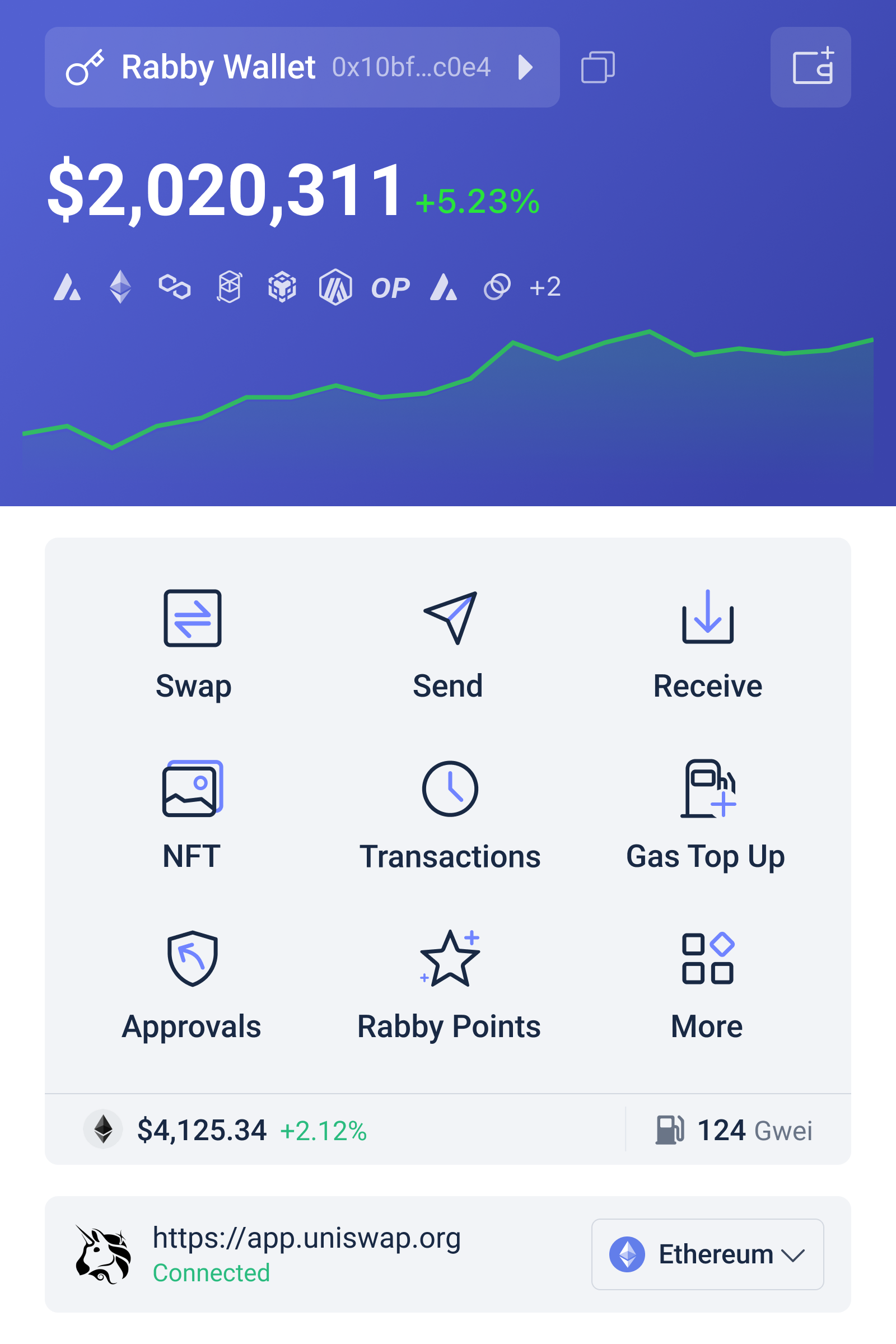
I’m biased toward practical solutions. So here’s a rundown of what actually matters when you integrate dApps and why MEV protections at the wallet level are non-negotiable for serious DeFi users. Short list first. Quick hits. Then we’ll dig deeper, because the nuance actually changes how you design interactions—and how you trust tools like rabby wallet.

What wallets need to do for modern dApp integration

Validate data before signing. Medium-length checks. Simulate the entire call stack when possible—pre-state and post-state—so the wallet can warn you if a contract will take more than you expect or route through an unknown router. On the surface that sounds obvious. Yet many wallets skip thorough simulation because it’s heavier and slower. My experience says the extra half-second is worth it every time.

Manage approvals sensibly. Don’t grant limitless allowances by default. Seriously? Yes, allow ceilings and per-dapp limits. Users click “approve” without thinking and then wonder why a phishing dApp drained funds. Something felt off about a lot of “convenience” defaults—because convenience often equals risk. Implementing approval scoping and auto-revoke timers helps, and smart dApp integrations can detect when an approval is unnecessary.

Surface meaningful metadata. Fancy names matter. Show the actual contract, the function called, the tokens involved, and an estimated worst-case cost with gas. Longer explanations are helpful here, though keep them skimmable. People ignore dense legalese. They read a line or two, so make those lines count.

How MEV sneaks in—and what wallet-level protections can change

MEV isn’t just about miners; it’s about whoever can reorder, include, or exclude your transaction in a block. Front-running bots, sandwich bots, and block builders are all players in that market. On one hand, private relays and bundles reduce the surface area for those bots; on the other hand, private routes can centralize power if not carefully designed. On reflection, the trade-offs are tricky. Actually, wait—let me rephrase that: MEV defense is a spectrum, not a binary switch. You choose different mitigations depending on trade size, urgency, and risk appetite.

Simulate. Simulate. Simulate. No, seriously. A wallet that runs a full simulation including mempool conditions and state-dependent logic (like slippage that depends on liquidity pool state) gives users a real edge. This prevents a lot of sandwich and rollback surprises. My instinct said simulation would be mainly for whales, but smaller trades benefit a surprising amount—bots target predictable patterns, and humans are predictable.

Private submission options. They matter. Submitting via a private relay or bundle (so the tx bypasses the public mempool) can dramatically reduce front-running. That said, these options should be transparent and optional; trust the tech, not blind defaults. There’s also a cost and latency tradeoff—private routing can add steps, and somethin’ might break in a weird edge case when a relay is down.

Gas and priority control. Give users granular control or intelligent automation. Medium-level automation works well: set a smart priority fee and a fallback pathway, but allow manual override. This balance keeps power users happy and saves regular users from paying too much. I’m not 100% sure about the optimal default gas algorithm across all chains, but adaptive heuristics that learn from recent block timings are promising.

A smart wallet UI showing transaction simulation and MEV protection options

Integration patterns that actually help dApps and users

Preflight checks that dApps can call. Let the dApp ask the wallet to run a simulated call and return a human-readable summary. This reduces surprises and helps dApps show clearer warnings before the user confirms. Developers can implement this easily via JSON-RPC extensions, or through an SDK that wraps the complexity.

Transaction batching and atomicity. When a composite action requires multiple calls, wallets should present a bundled view and warn about partial failures. If one call fails, what happens to the rest? These scenarios are where user funds often get stuck or worse—left partially processed with unexpected side effects. On the other hand, bundling a set of ops into a single atomic bundle can avoid those edge cases, though it may need different gas estimation logic.

UI affordances for trade-offs. Let users choose: fast-execution via public mempool (cheaper, more risk) or private-bundle (costlier, safer). Let them pick slippage tolerances with defaults that are conservative but informative. Also educate—tiny inline tooltips explaining why a higher priority fee reduces sandwich risk will go a long way. People don’t like to read, but a one-line nudge sometimes changes behavior.

Why I care about wallets like this

I’ve watched friends and colleagues get burned on trades that looked fine in a dApp UI until the miner or builder mercilessly reordered them. It bugs me. Really, it does. If a wallet could have caught a bad trade earlier, that would have saved a late-night panic and several lost ETH. So I’m drawn to solutions that move safety left—meaning earlier in the flow—where users make decisions with better information.

Design matters. Not just visuals. The whole integration stack—the dApp, the RPC, the mempool interactions, the wallet—must be designed to reduce asymmetric information. On one hand, some services over-promise protection and it becomes a black box. On the other, wallets that expose too much technical detail end up confusing users. The sweet spot is guided transparency: show enough to empower, but not so much that users freeze and do nothing.

Practical checklist before you connect any dApp

1) Check that your wallet simulates transactions and shows post-state impacts. 2) Avoid blanket approvals; use scoped allowances and auto-revoke where possible. 3) Prefer wallets that offer private submission or bundling options for high-value trades. 4) Look for wallets that let you review exact call data and contract addresses in plain language. 5) Make sure the wallet supports on-the-fly gas strategy overrides. These five items are not exhaustive but they cut down most common issues.

I’m not saying any single wallet is perfect. On the contrary—each approach has trade-offs. Though, some are clearly better designed for DeFi realities. Practical security doesn’t mean paranoia; it means informed choices. If you care about reducing slippage, avoiding sandwich attacks, and not giving away token allowances to unknown contracts, then you should demand these features in your wallet.

FAQ

Can small trades benefit from MEV protection?

Yes. Bots look for predictable signals and small trades can be aggregated into profitable attack patterns. Protection reduces the chance of getting picked off, and simulation helps detect whether the trade is safe given current pool liquidity.

Does private submission eliminate all risk?

No, but it significantly reduces public-mempool front-running. Private relays lower exposure to opportunistic bots, though they introduce dependency on the relay’s availability and trust model. It’s a trade-off.

How do I know a wallet integrates responsibly with dApps?

Look for clear reporting: simulations, transaction summaries, and options for private submission or bundling. Also check whether the wallet educates you about allowances and gas strategies. If the UI buries these details, that’s a red flag.

Okay, one last thought—this space is messy, and protocols will keep evolving. Somethin’ that works today may change as builders and block producers adapt. Still, wallets that embed simulation, clear metadata, and optional private submission are a practical evolutionary step. They don’t solve every problem, and yes, there will be new attack vectors. But they move the needle toward making DeFi less scary. If you want a wallet that treats these realities seriously, give tools that integrate deeply with dApps and offer MEV-aware flows a close look—your future self might thank you.